

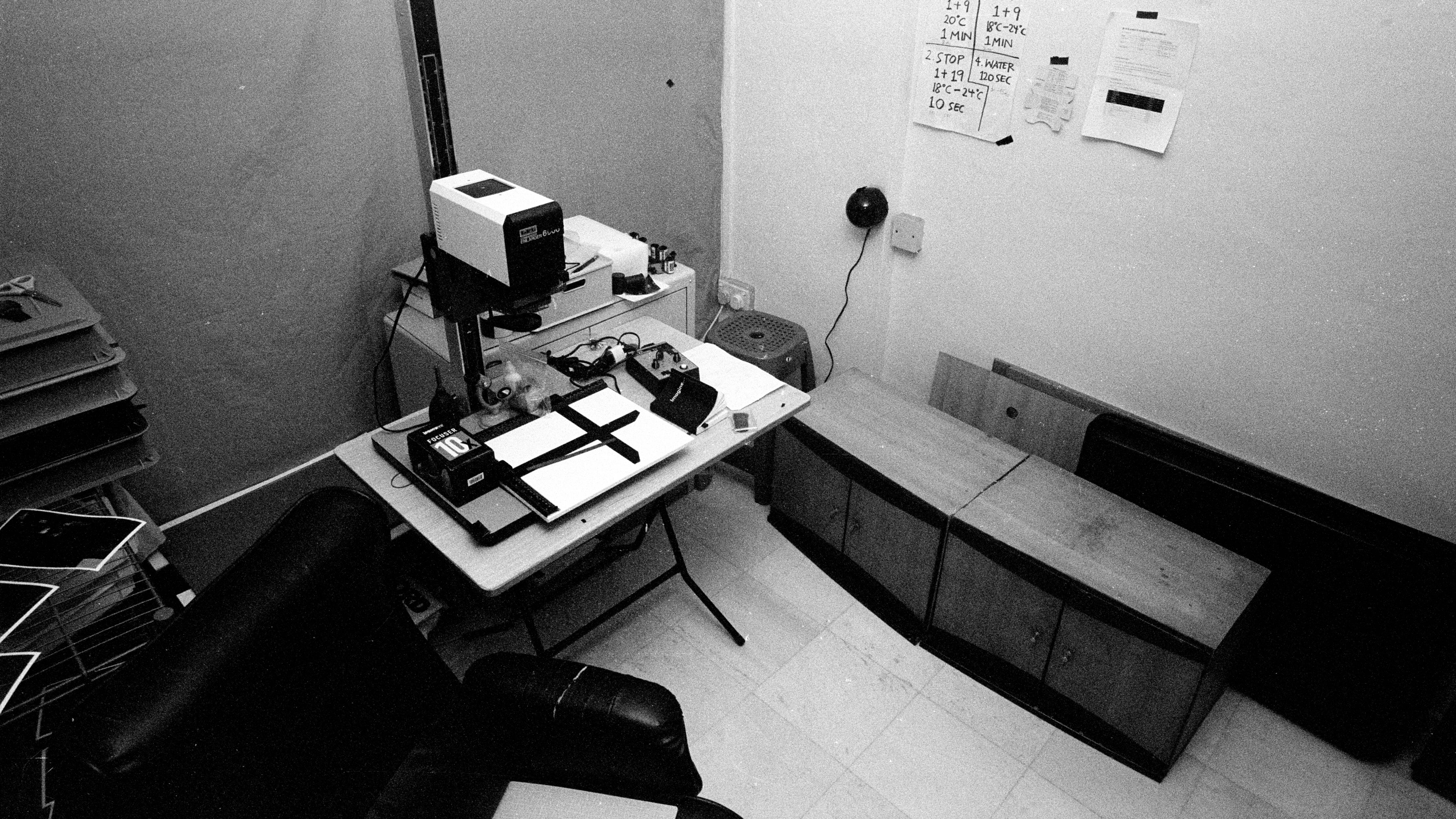
Darkroom printing is (but may not be limited to) the process of transferring an image from film to paper.
The ‘darkroom printing machine’ is referred to as an Enlarger because its function is to enlarge the image that is on the film negative.
The Paper
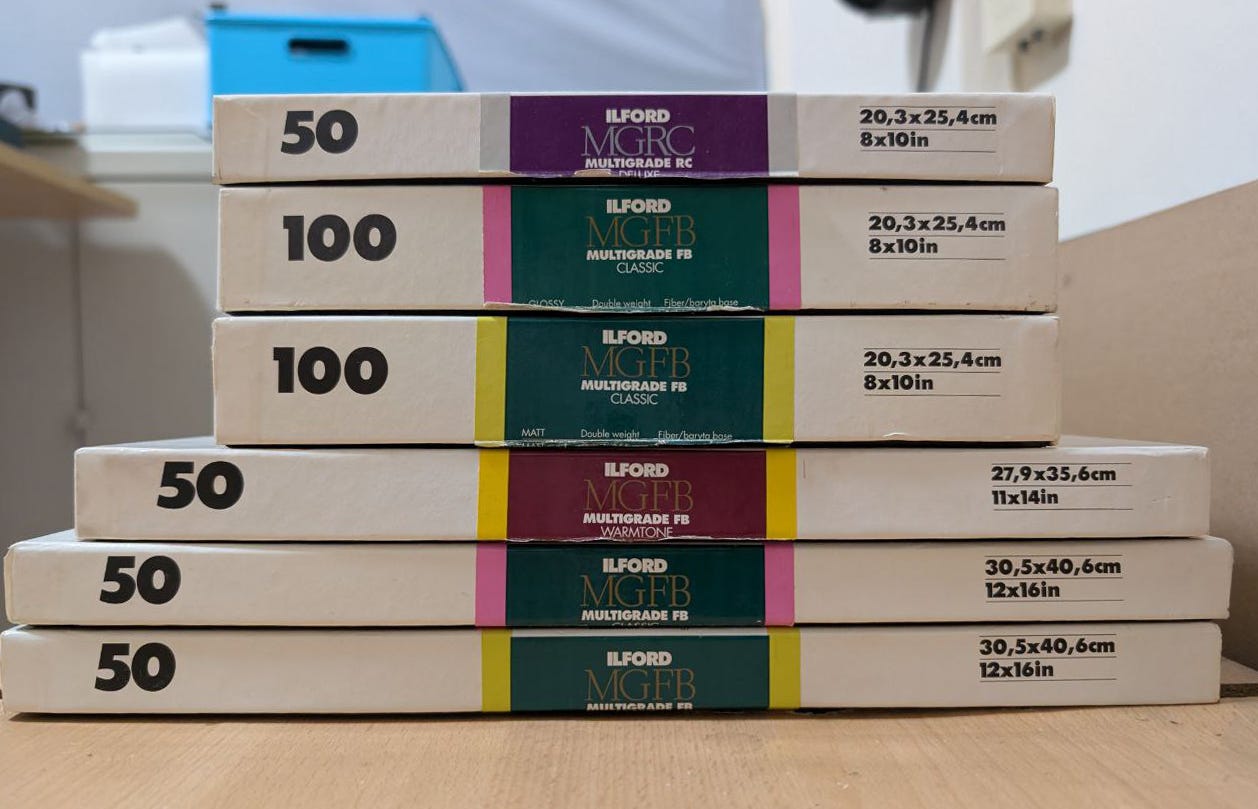
There are different papers for black-and-white and colour film negatives. They come in various sizes and surfaces.
The difficulty (and cost) of printing increases exponentially according to size. The quality of your film negative (photographer’s skill + camera + quality of the manufactured product) is tested the larger you enlarge your film negative.
There are different types of finishing on the photo paper but the basic differentiation is glossy or matt finishing.
The Original Photoshop
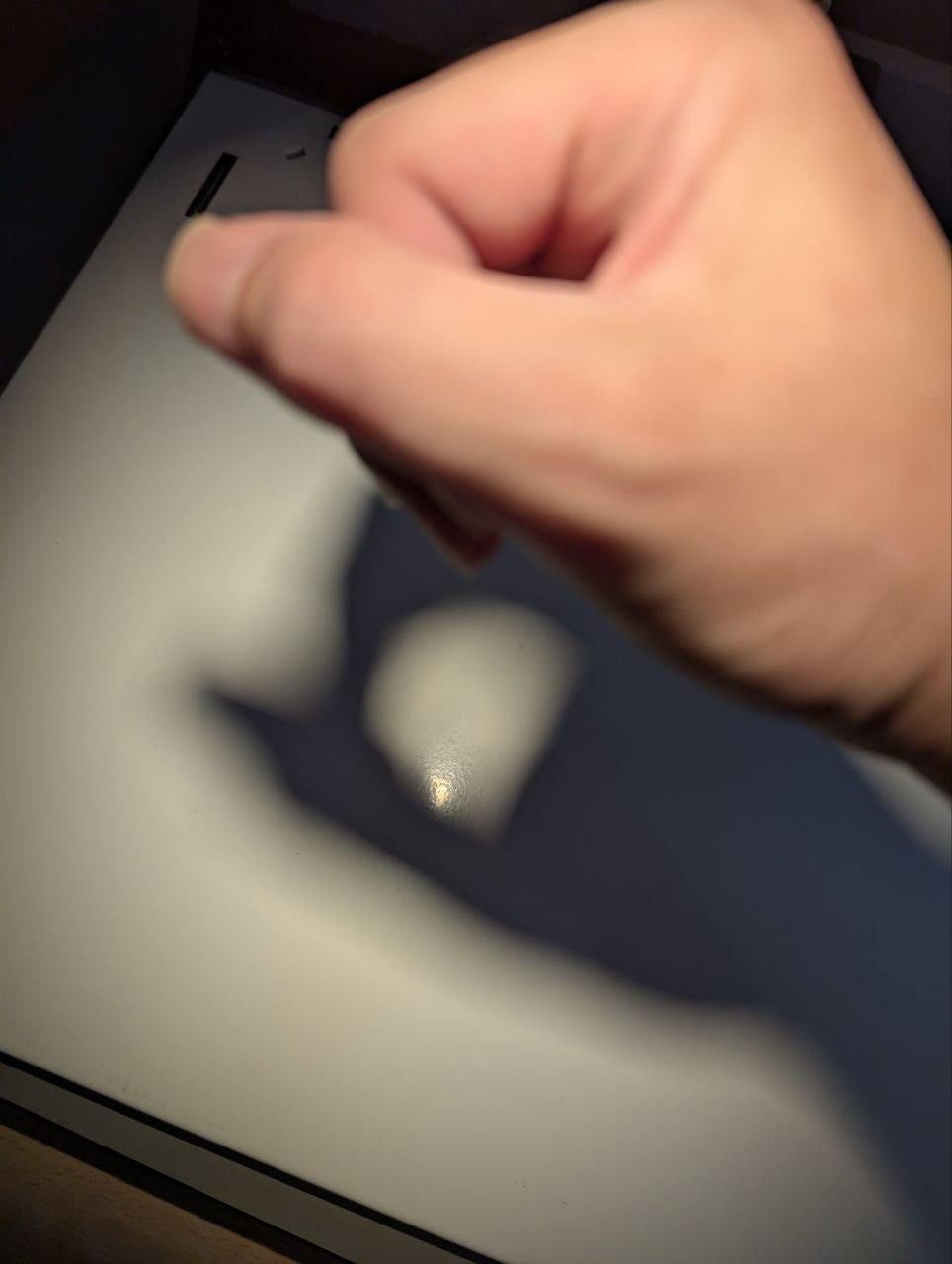
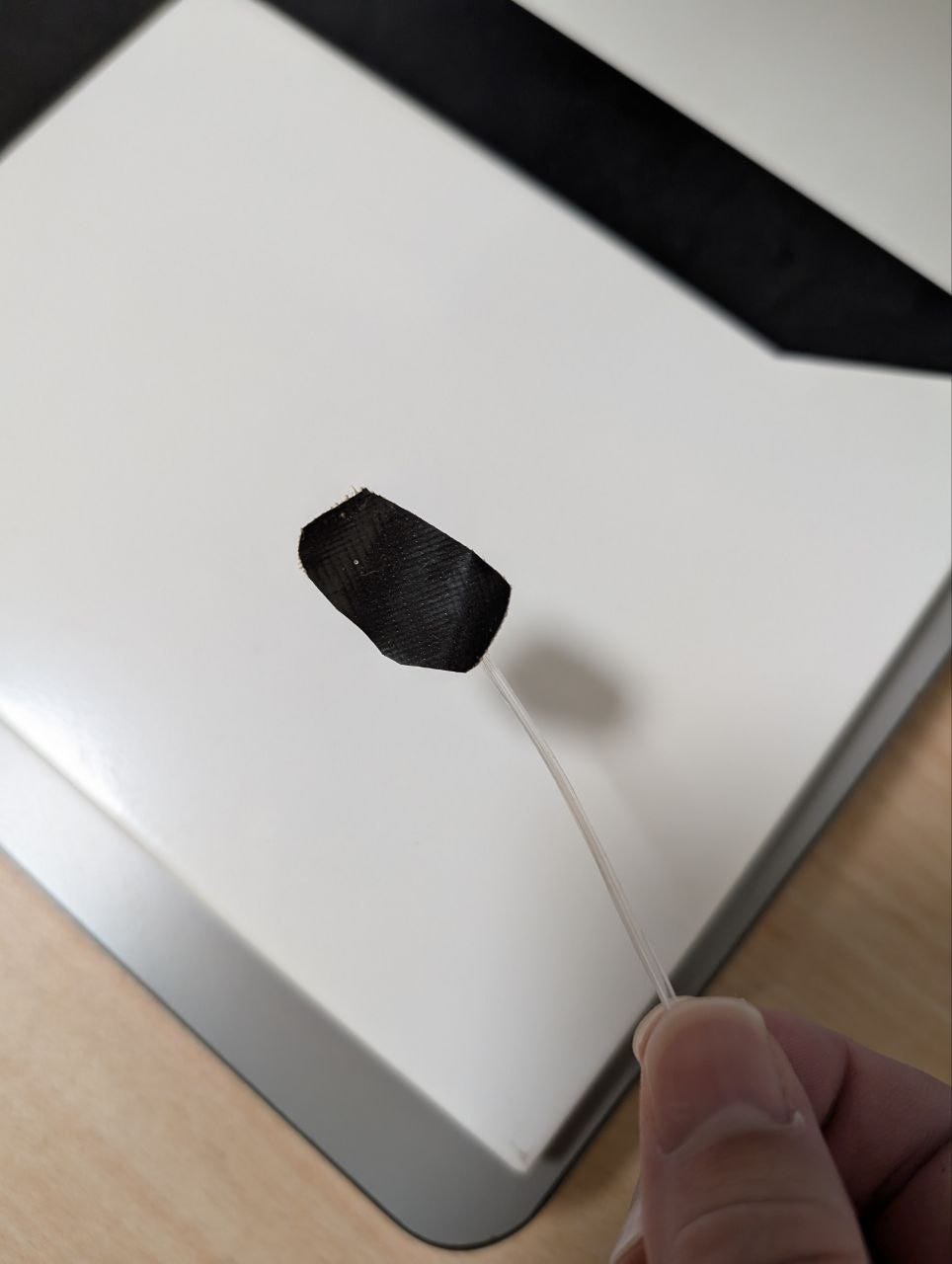
This is burning and dodging. You will find these as icons in Adobe Photoshop. It is the main technique used to enhance photographs traditionally.
When you print on light-sensitive paper, you are essentially burning the image onto the surface of the paper with light. The longer you burn, the darker the image will turn out.
Dodging refers to the blocking of light from the light-sensitive paper, thereby ‘dodging’ light. When you dodge light, the area will be ‘less burnt’, appearing brighter/whiter/more paper and less image.
The process of burning is the increased exposure of an area to light. It can be used to increase emphasis and draw your eyes to an exceptionally dark area.
It is said that the best negatives are flat so that the printer has more room to work with the image.
The Developing Trays
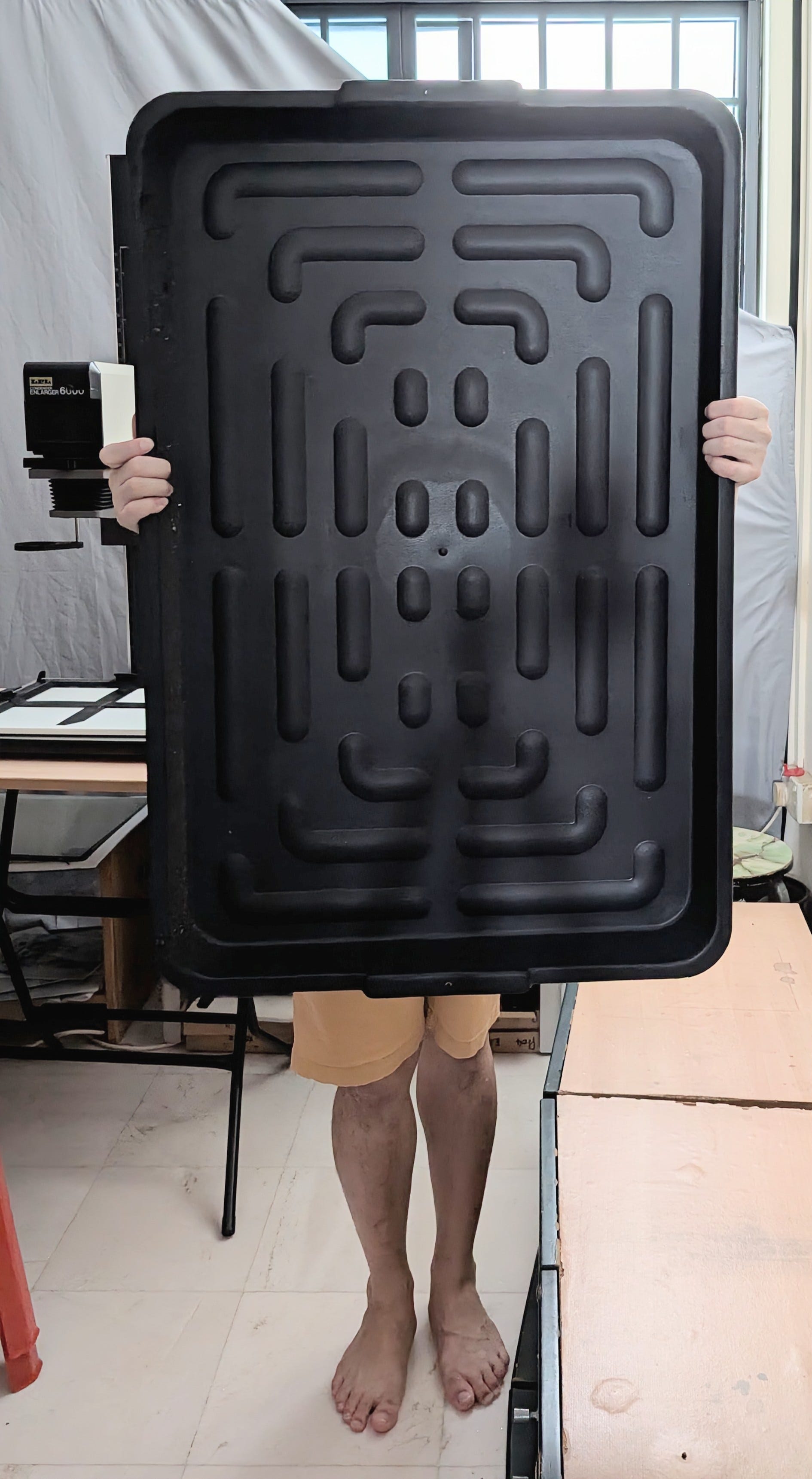
This is my largest ‘developing tray’. The developing tray is where you soak your prints in developing solutions.
The developing process reveals your image and stabilises it. It must be done in the dark. There are 4 steps to this process.
Developing
Stop bath (stop the development process)
Fixing (to stabilise the image)
Washing
As mentioned previously, it gets exponentially harder to print the bigger you go. One of the factors is the size of the developing trays. You need a minimum of three trays. That means you need to house the size of your intended print multiplied by three.
Whatever for? — The Print
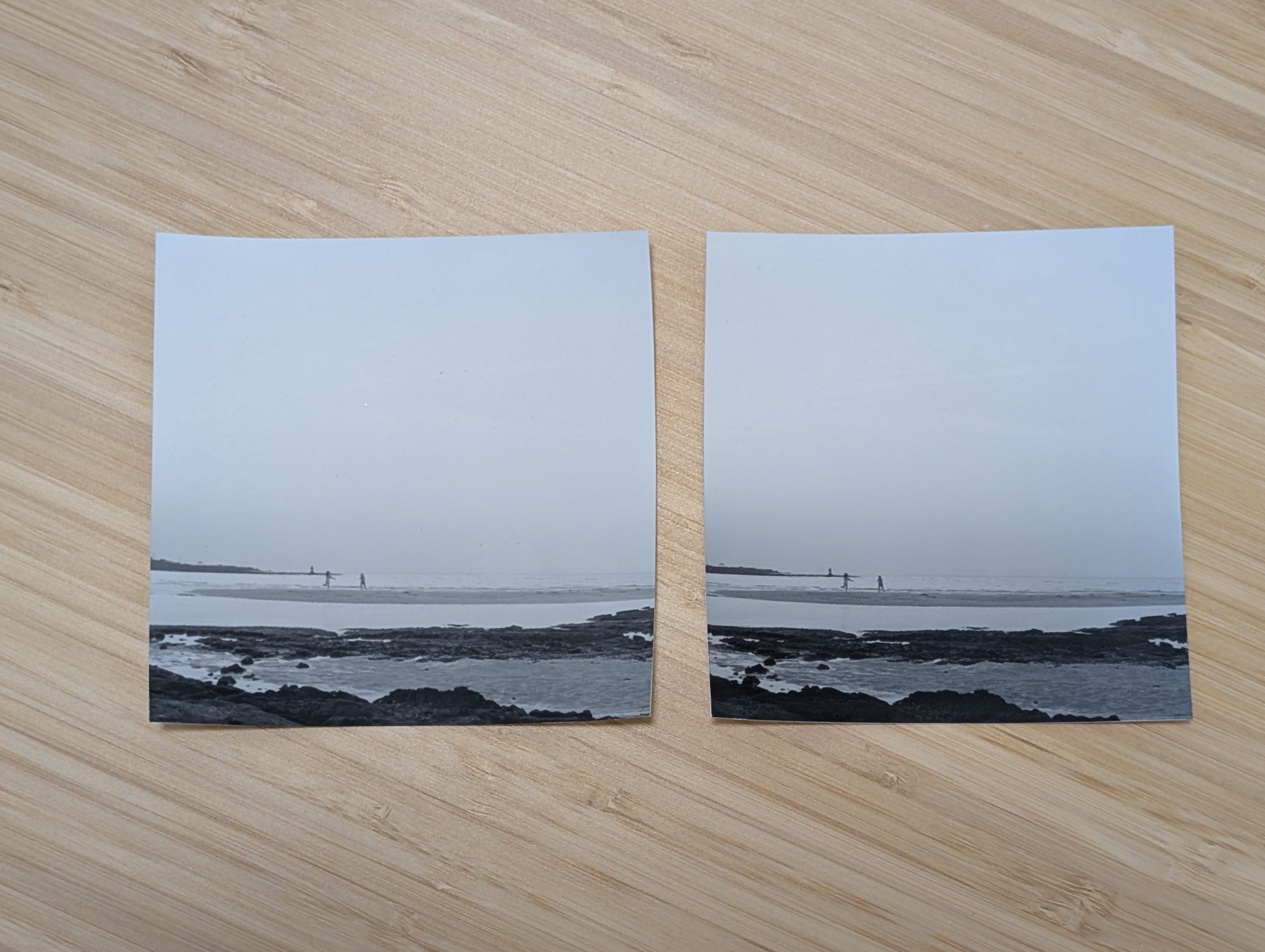
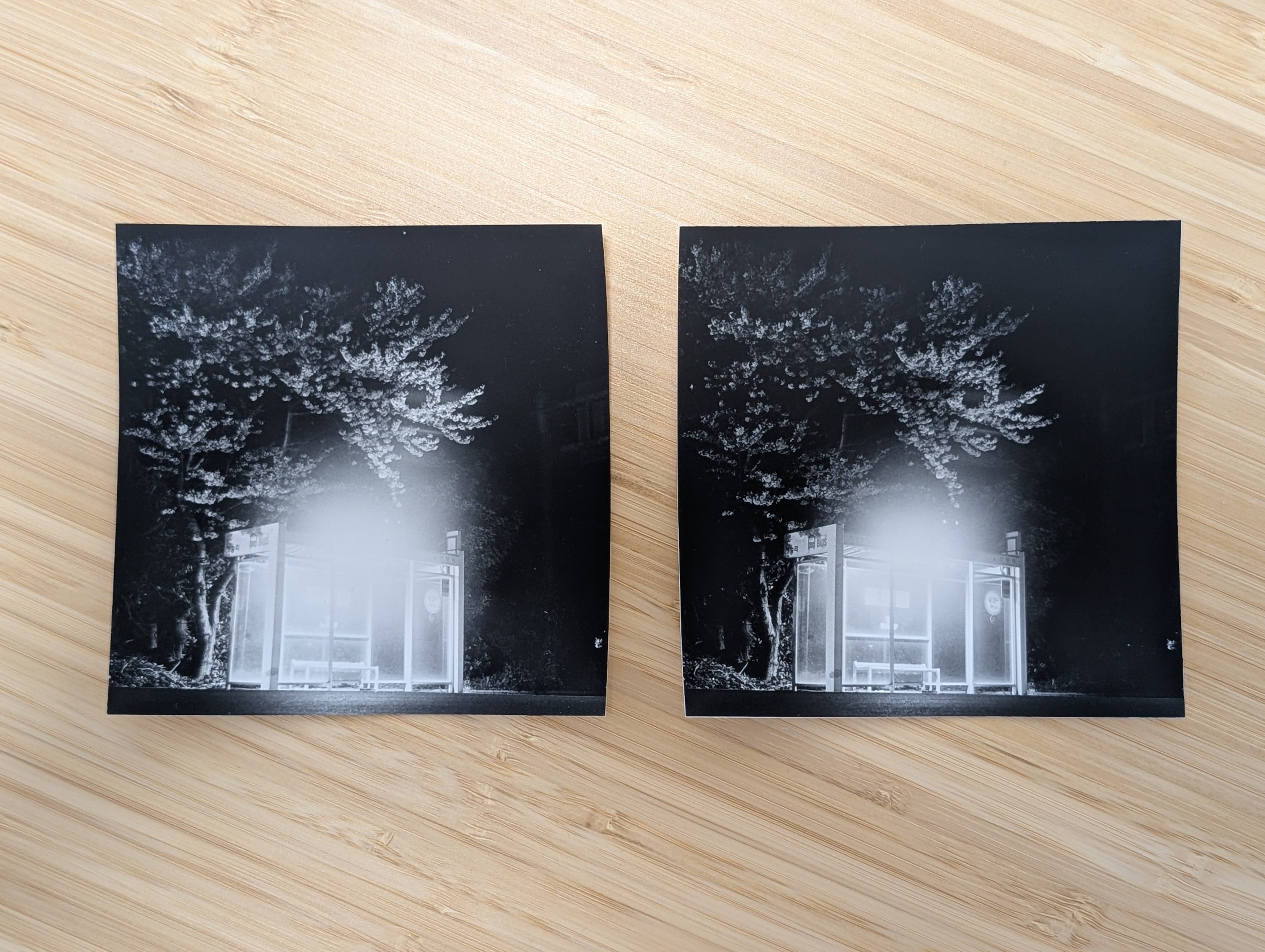
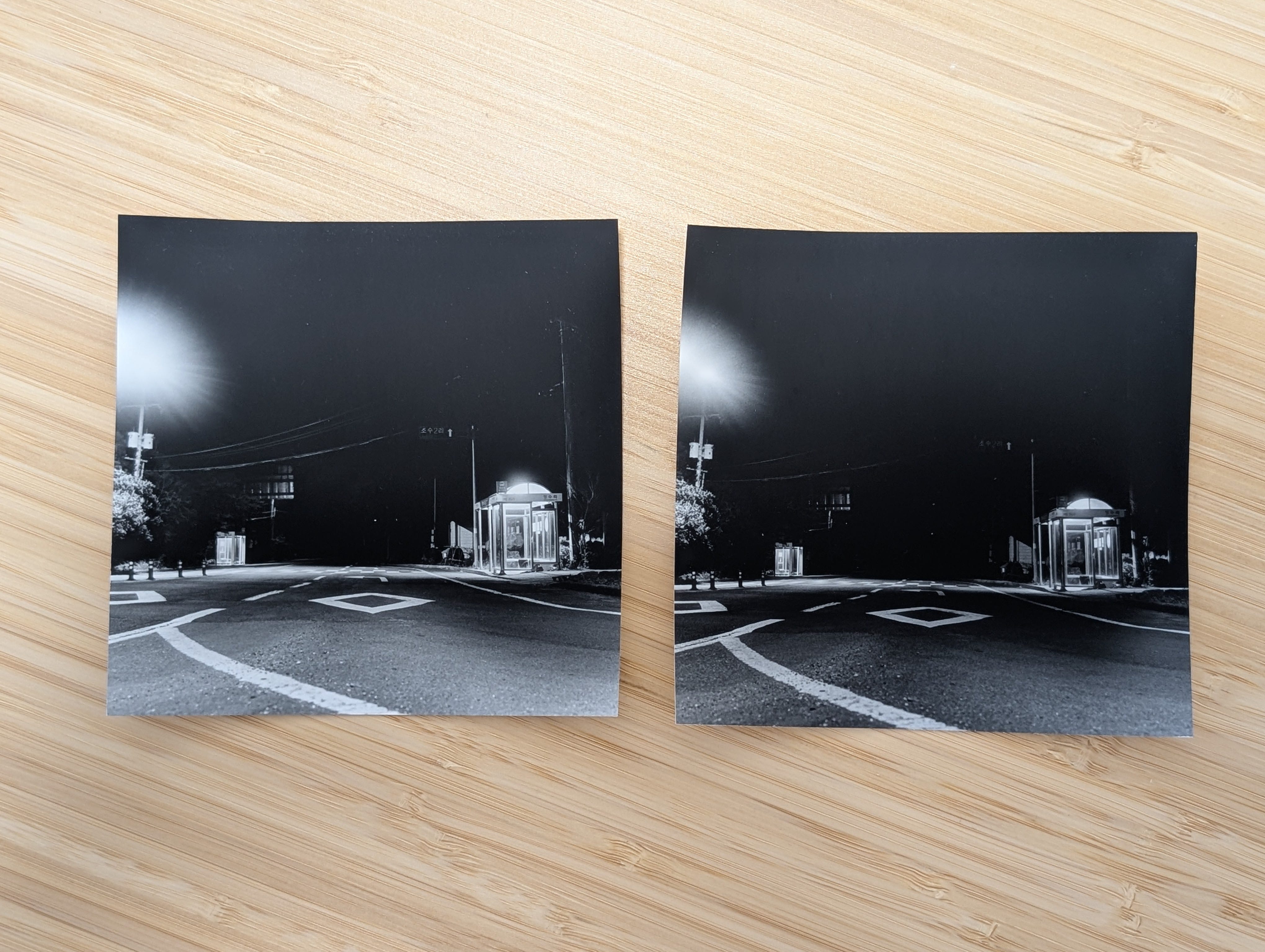
Why go through so much trouble to do darkroom prints when modern technology offers everything in a compact machine, at the push of a button, and a small fraction of the cost? After extensive work, here are the results.
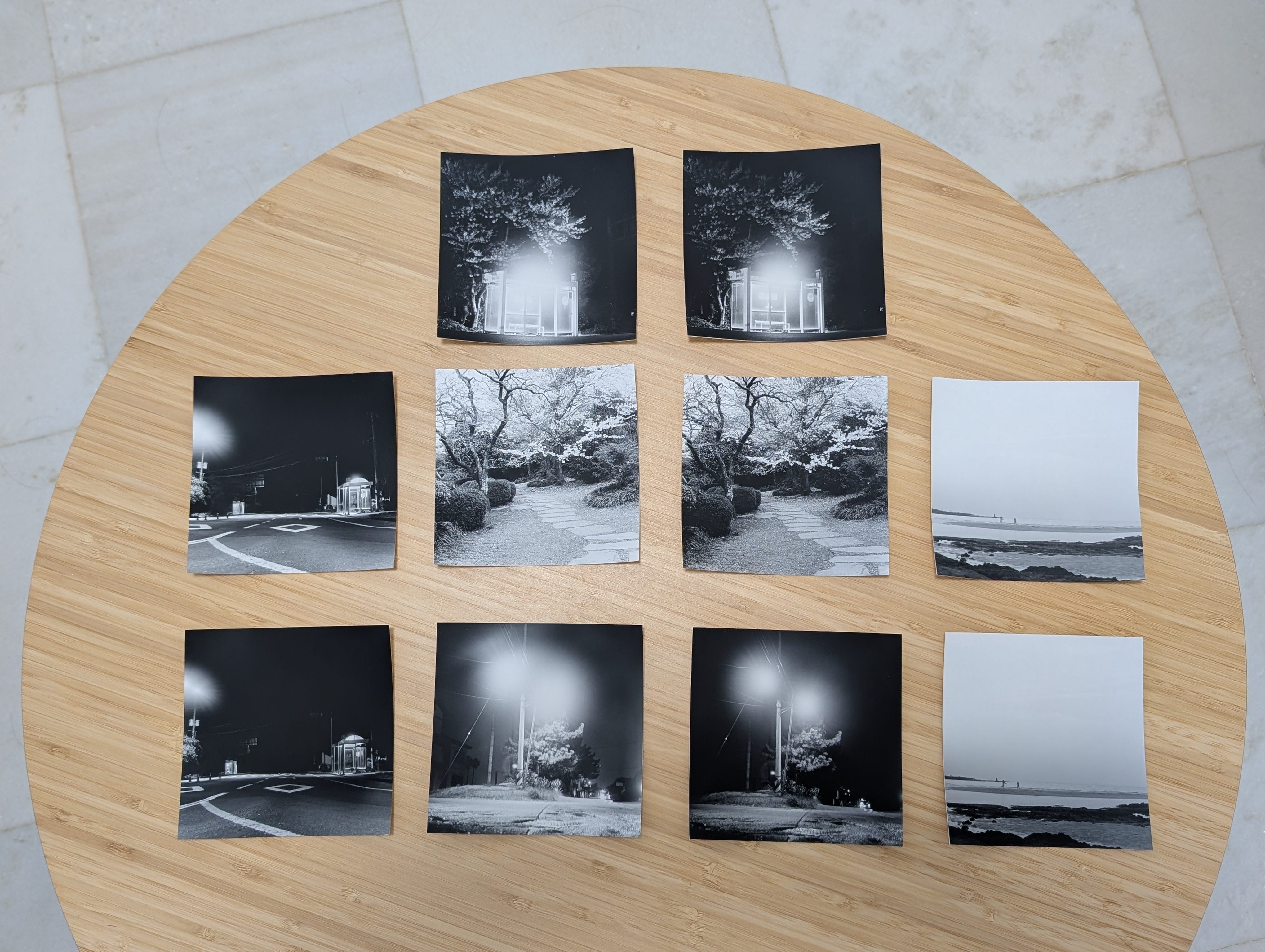
The darkroom process is a complicated one as there are many trial and errors as the printer find ways to fix issues and improve on their process. It is an artistry.
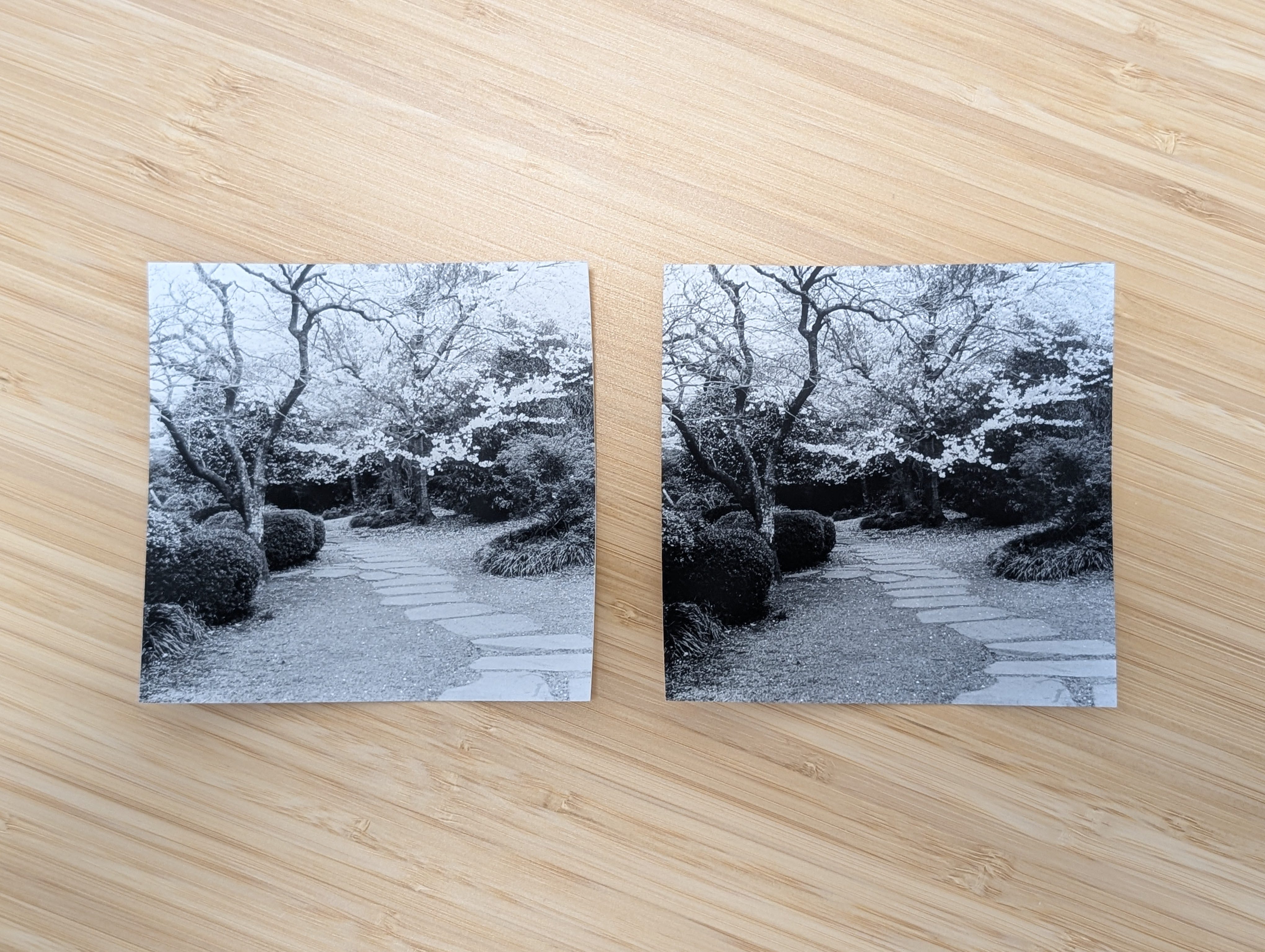
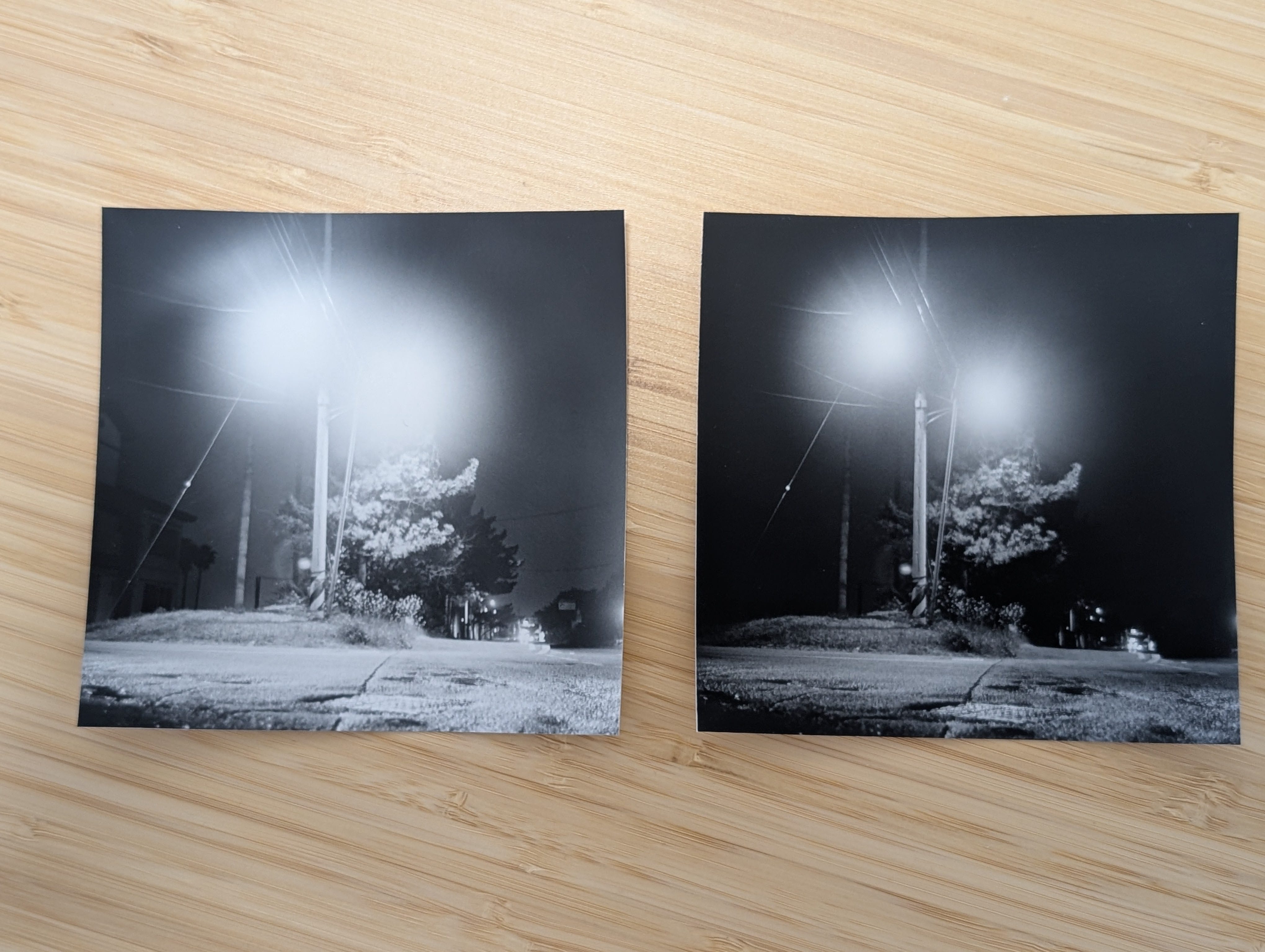
- - -
Epilogue
I still have many things to share, like how an enlarger works, the types of paper available, spotting, doing test strips etc.
Thank you for following my journey. Let me know if there’s anything you would like to know more about.


